
National Pralines Day {June 24th}
Modified: Published: by Nora Breyer Combine Good Flavors 0 Comments
This post may contain affiliate links. As an Amazon Associate I earn from qualifying purchases. Disclosure Policy


Homemade Pralines, Truffles, and Filled Chocolates to Try
National Pralines Day is celebrated on June 24, and honestly, I cannot think of a sweeter reason to bring out the good chocolate, the tiny paper cups, and that wonderful little chocolatier feeling we get when something homemade looks like it came from a fancy chocolate shop.
But before we dive into the recipes, let’s clear up one delicious little chocolate mystery.
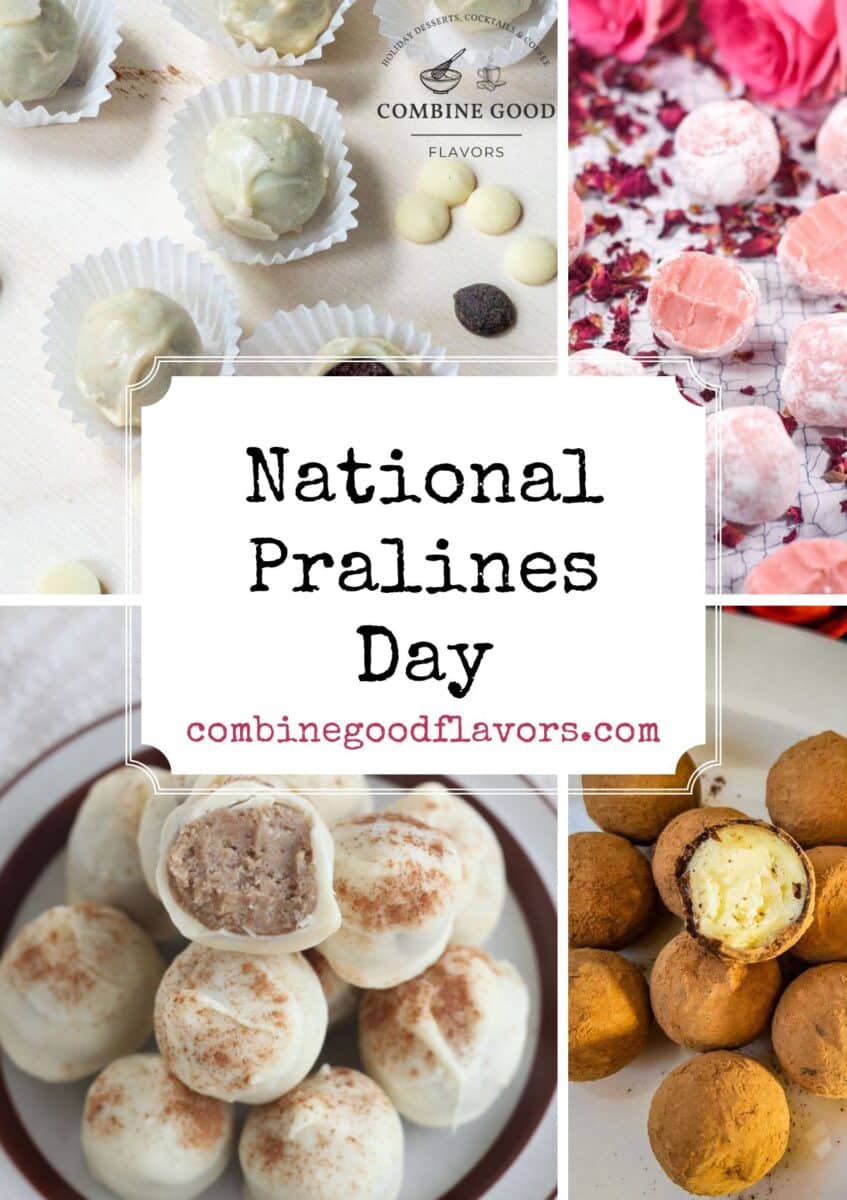
Some recipes are called truffles, some are called pralines, and some are simply called homemade chocolates. Depending on where you live, those words can mean slightly different things. Since I have taken a few praline-making courses over the years, I want to walk you through the difference in a simple, helpful way before you start rolling, dipping, filling, and tempering your way into chocolate bliss.
If you are new to working with chocolate, you may also love my guide to chocolate making tools, where I share the equipment that makes homemade pralines, truffles, and filled chocolates easier, cleaner, and much more enjoyable.
What Is National Pralines Day?
National Pralines Day is celebrated every year on June 24 and honors the lovely world of pralines.
In the United States, especially in the South, pralines often mean those sweet, buttery, nutty candies made with sugar and pecans. In Europe, the word praline is often used differently. Here, pralines are usually small filled chocolates, often made with ganache, nut fillings, caramel, liqueur cream, or other dreamy centers.
So when I talk about pralines in this roundup, I am using the word in the lovely European chocolate-box sense: elegant little chocolate confections, filled, rolled, coated, or dusted, ready to be tucked into paper cups and shared with someone special.
Pralines vs Truffles: What Is the Difference?
This is where it gets fun.
A truffle is usually a soft chocolate confection made with a ganache center. Classic truffles are often rolled by hand and coated in cocoa powder, chocolate, nuts, powdered sugar, coconut, or another finish. Their shape is usually a little rustic, which is part of their charm. They are meant to look a bit like the precious truffle mushrooms they were named after.
A praline, depending on the country, can mean a nut-based candy, a nut paste, or a filled chocolate. In Austrian and European chocolate-making, pralines often refer to those pretty filled chocolates you find in a chocolate box.
A bonbon is another useful word here. It is often used for filled chocolates with a shell and center, such as caramel, ganache, fruit, liqueur, or cream fillings.
So yes, many homemade truffles absolutely belong in a National Pralines Day roundup. They may not all be pralines in the strictest technical sense, but they live in the same beautiful chocolate family: small, elegant, handmade confections meant to be savored slowly.
Why Some Pralines Are Rolled and Some Are Filled
Not every homemade chocolate is made the same way.
Some truffles are made from a firm ganache that is chilled, scooped, rolled, and coated. These are wonderfully beginner-friendly because you do not always need molds or hollow chocolate spheres.
Other pralines are made with chocolate hollow spheres or molded chocolate shells. These are filled with ganache, caramel, liqueur cream, or another soft filling, then sealed with tempered chocolate before they are coated or decorated.
The filled version feels a little more advanced, but it is also magical. There is something deeply satisfying about sealing a tiny chocolate sphere, coating it between your hands, rolling it through cocoa or matcha powder, and watching it transform into a beautiful little praline.
A Quick Note About Tempering Chocolate
Tempering chocolate sounds intimidating, but once you understand what it does, it becomes much less mysterious.
Tempering means heating, cooling, and gently warming chocolate in a controlled way so the cocoa butter crystals set properly. Properly tempered chocolate gives you that beautiful glossy finish, a delicate snap, and a coating that does not turn gray or streaky.
Different chocolates need different handling:
- Dark chocolate usually needs a higher working temperature.
- Milk chocolate is more delicate because of the added milk solids.
- White chocolate is even more sensitive and can overheat quickly.
That is why you cannot treat every chocolate the same way. White chocolate needs a different handling than dark chocolate. If it gets too hot, it can become thick, dull, or difficult to work with.
If you are just starting, keep the heat low, stir often, and do not rush. Chocolate rewards patience. It is a tiny bit like making a potion in a storybook kitchen: too much heat, too much water, or too much chaos, and the spell breaks.

Water bath: If you use a water bath for melting, you need two pots of different sizes. Fill one pot 3-4 finger-widths with water and place the second, smaller pot in it. The second pot should not touch the water! Now put the chocolate to be melted into the upper, smaller pot and melt it over moderate heat while stirring over the rising steam.
Tempering unit: Add the chocolate to be melted to the tempering unit and set it to the appropriate melting temperature. White and milk chocolate: 40 °C // 104 °F, dark chocolate 50 °C // 122 °F.
Helpful Tips for Homemade Pralines and Truffles
After a few praline-making courses and plenty of chocolate-covered kitchen adventures, these are the tips I always come back to.
Use couverture chocolate when possible
Couverture chocolate contains more cocoa butter than regular baking chocolate, which makes it better for dipping, coating, molding, and tempering. It melts more smoothly and gives your pralines a more professional finish.
Keep water far away from melted chocolate
Even a tiny drop of water can make melted chocolate seize. Use dry bowls, dry spatulas, and dry hands. Steam from a water bath can also cause trouble, so work carefully.
Let ganache cool before filling hollow spheres
If the ganache is too warm, it can melt the chocolate shells or make sealing difficult. A cooled, pipeable ganache is much easier to control.
Add glucose for a more stable ganache
A small amount of glucose can help create a smoother, more stable ganache. I prefer glucose for praline-making instead of honey, especially after learning through experience that honey can behave unpredictably in ganache. In my own testing, organic honey caused the ganache to spoil much faster, so glucose is my safer choice when I want a clean, stable result.
Store pralines cool, but not damp
Pralines love a cool room, but they do not love moisture. The refrigerator can work if needed, but it is not always ideal because condensation can affect the chocolate coating. If you do refrigerate them, keep them in an airtight container.
Wear gloves for hand-coating
For some truffles, the easiest way to create a thin chocolate coating is to spread a little tempered chocolate between gloved hands and gently roll the truffle between your palms. This gives you that delicate, beautifully rustic coating without a thick chocolate shell.
Roll them for that pointy truffle look
If you have ever wondered how homemade truffles get that charming pointy, spiky look, it comes from the rolling technique. Once the truffle is coated, roll it gently through cocoa powder, powdered sugar, coconut, matcha, or another coating. The slightly uneven chocolate grabs the coating and creates that lovely handmade texture.
This is also where my short video will be helpful, because you can actually see how the coated pralines are rolled to get that beautiful pointed truffle finish.
Homemade Praline and Truffle Recipes
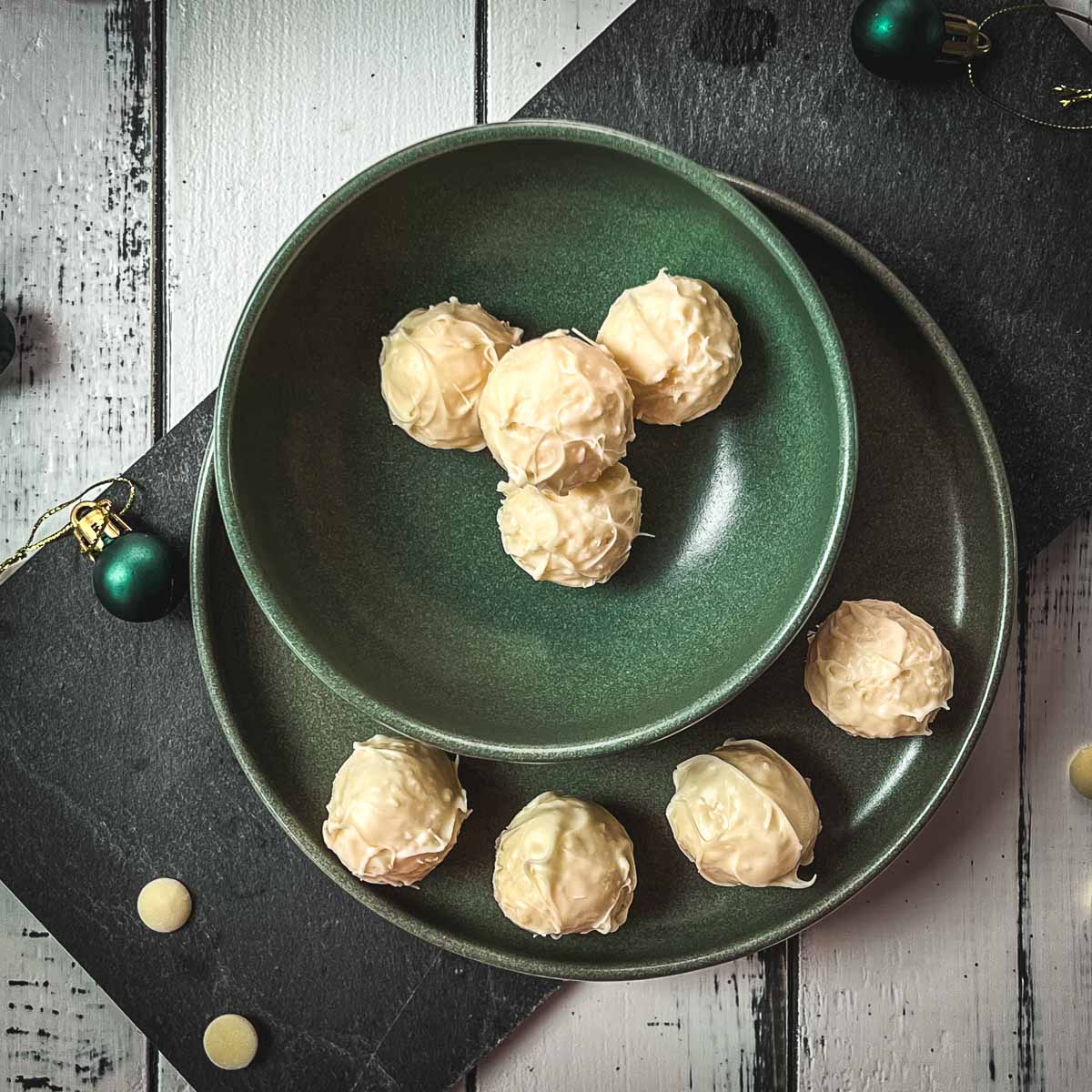
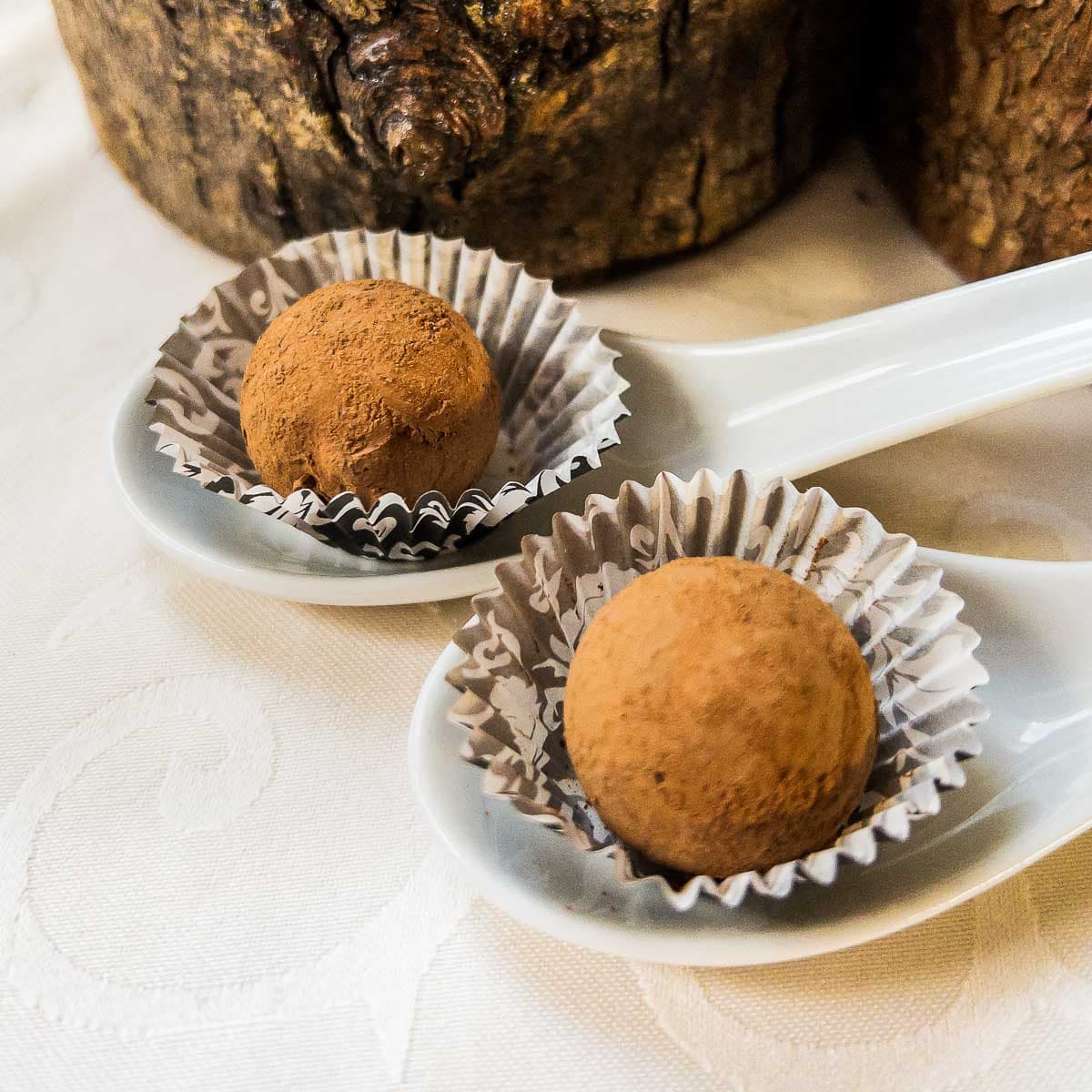
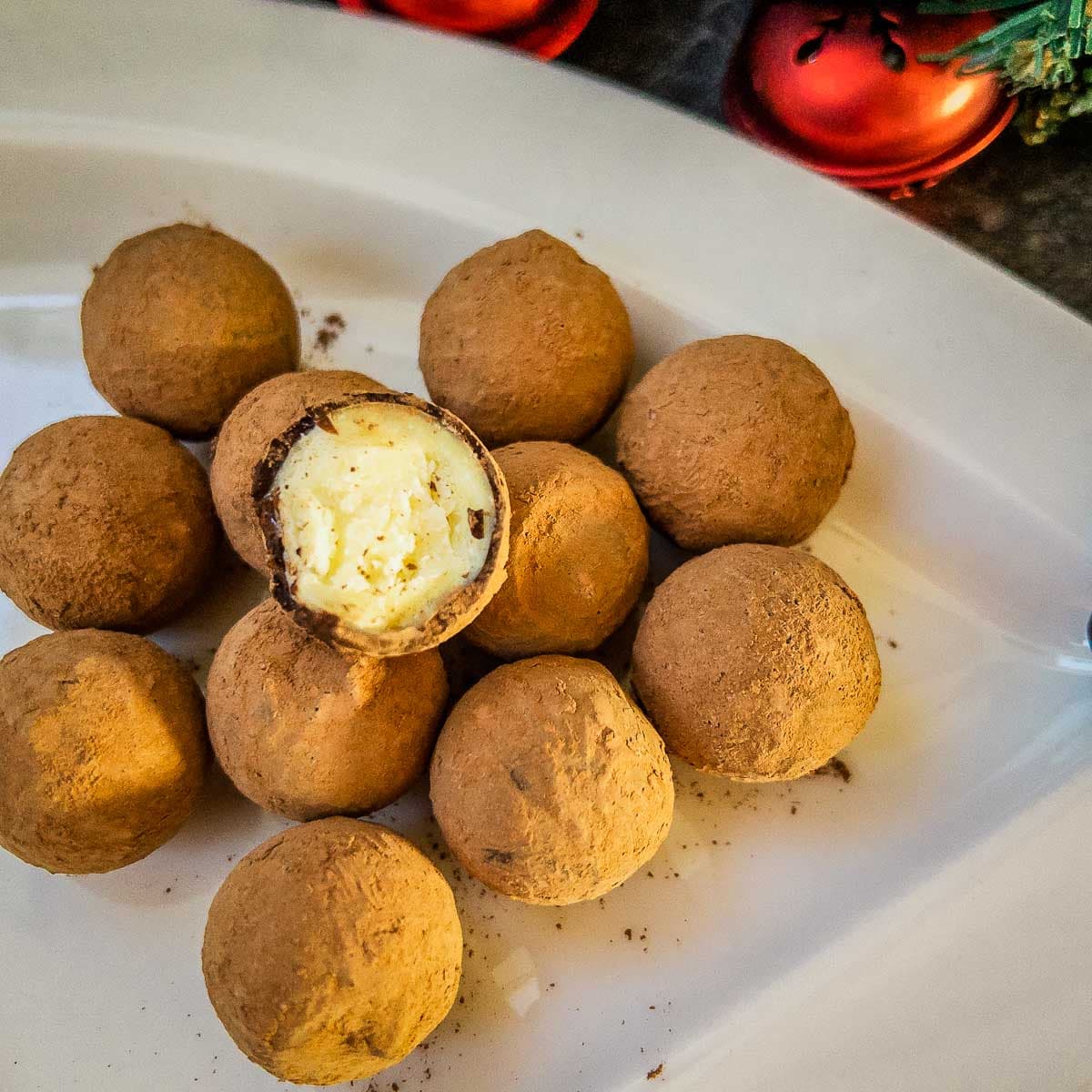
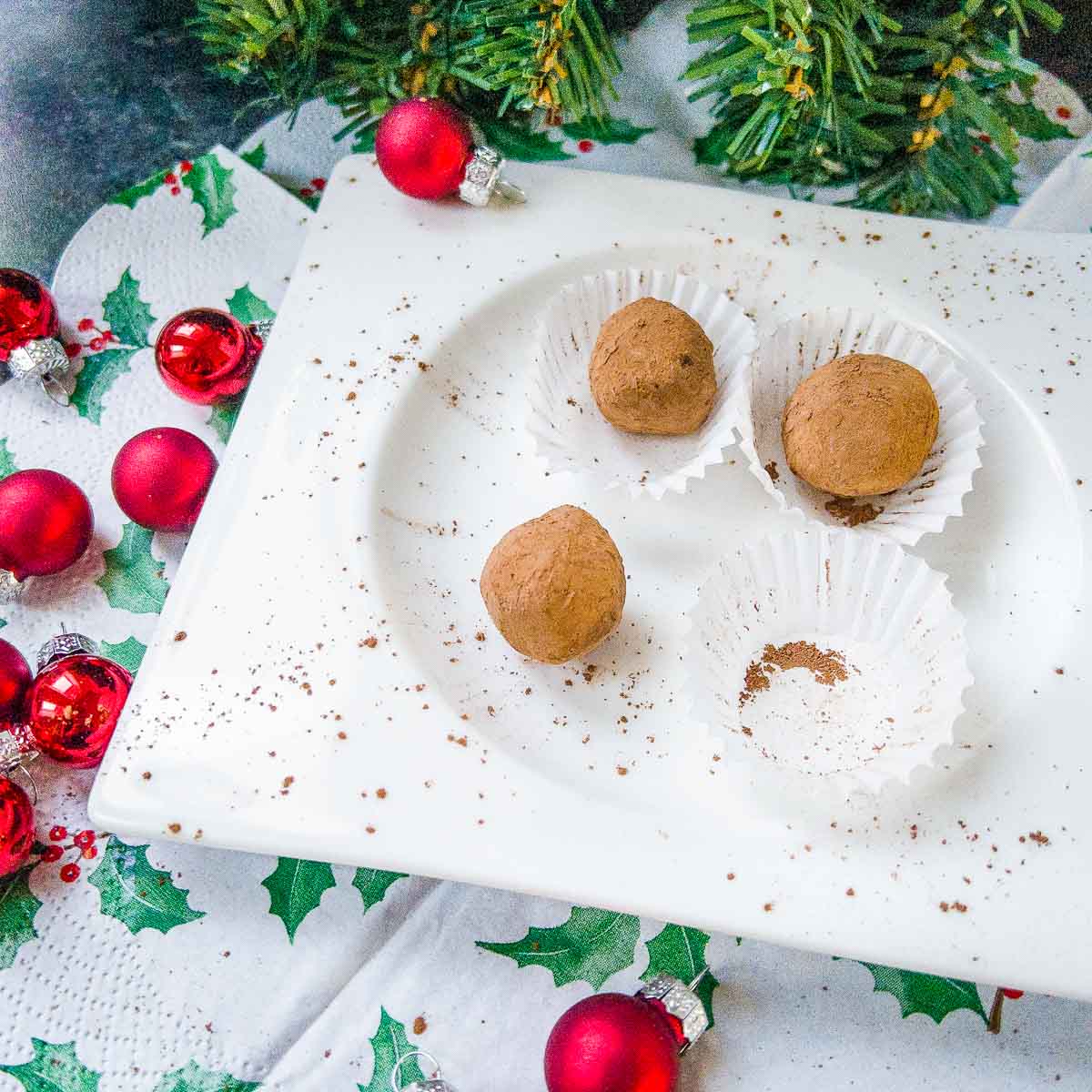
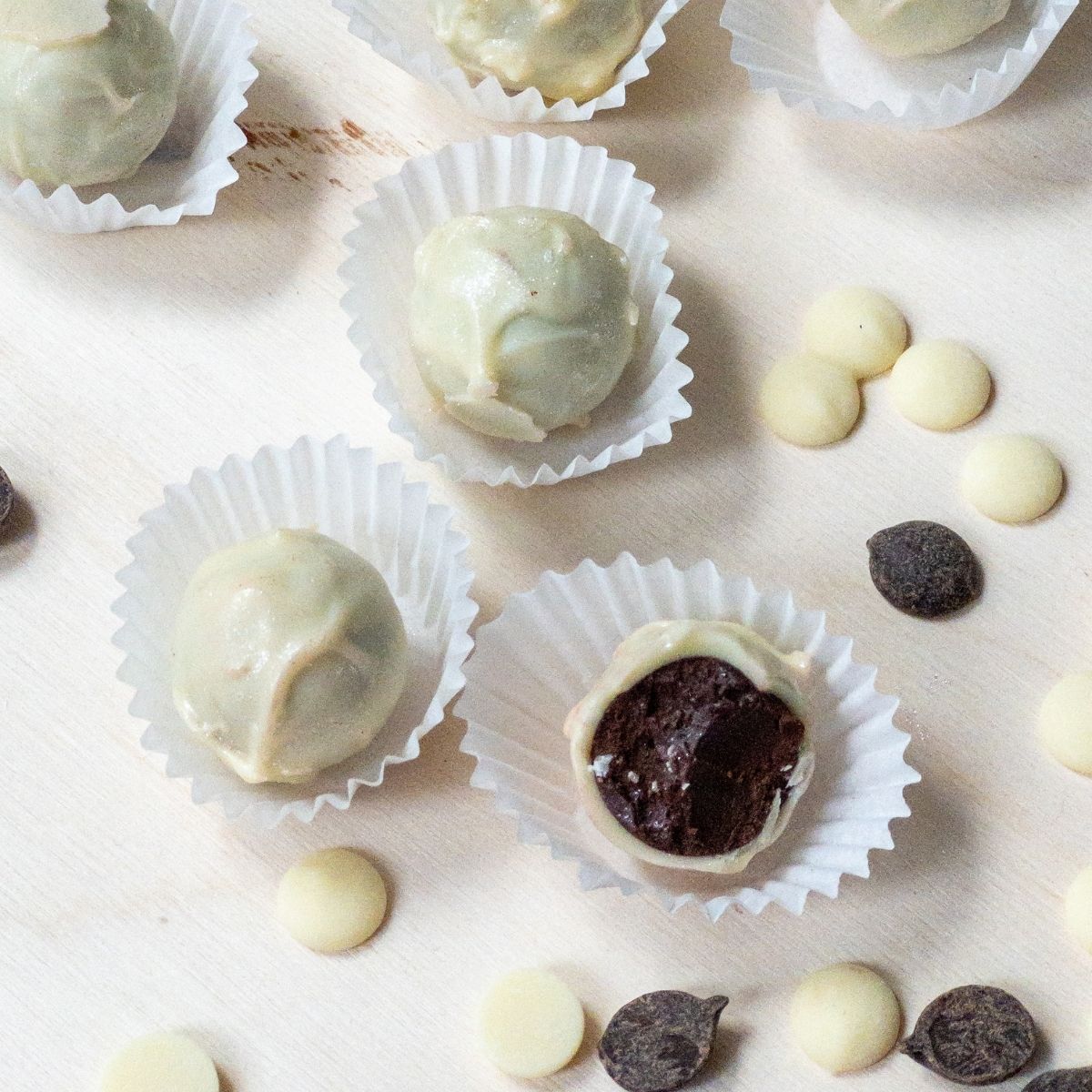
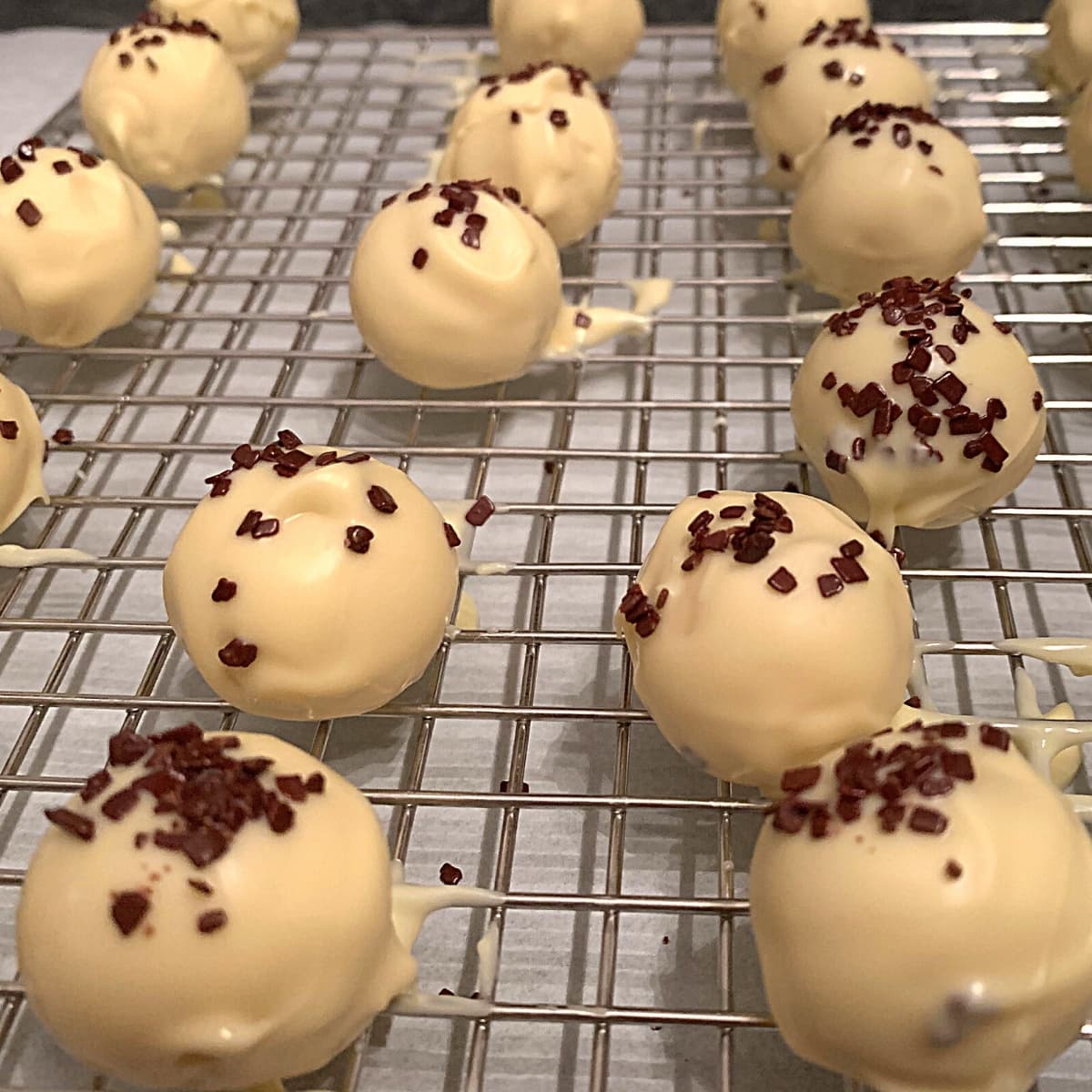
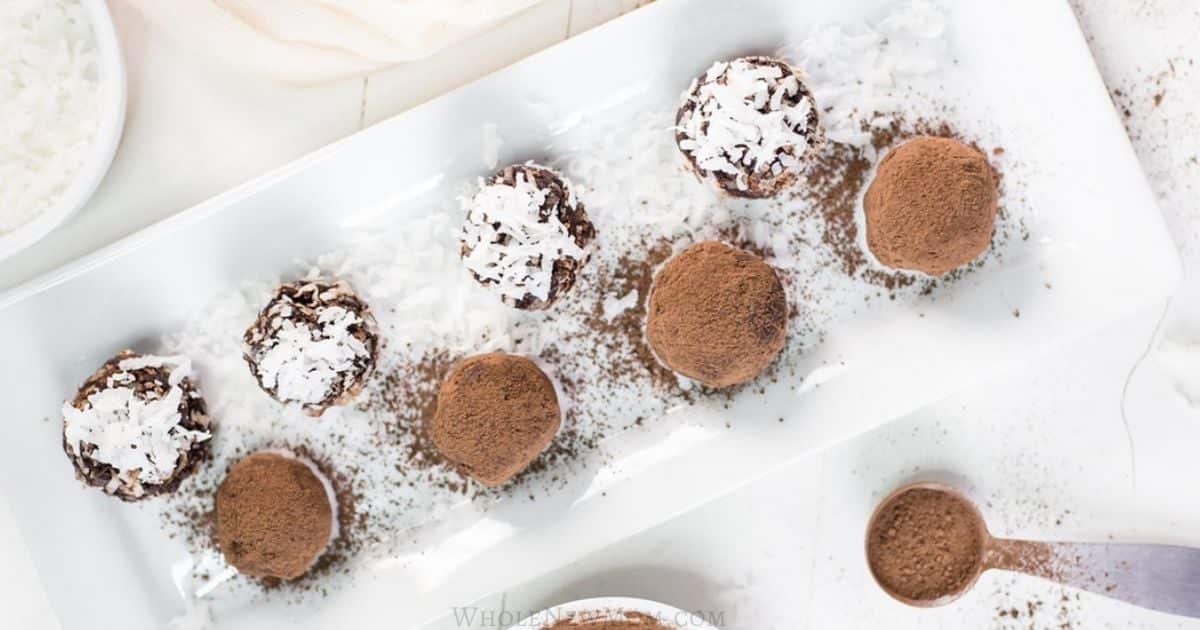
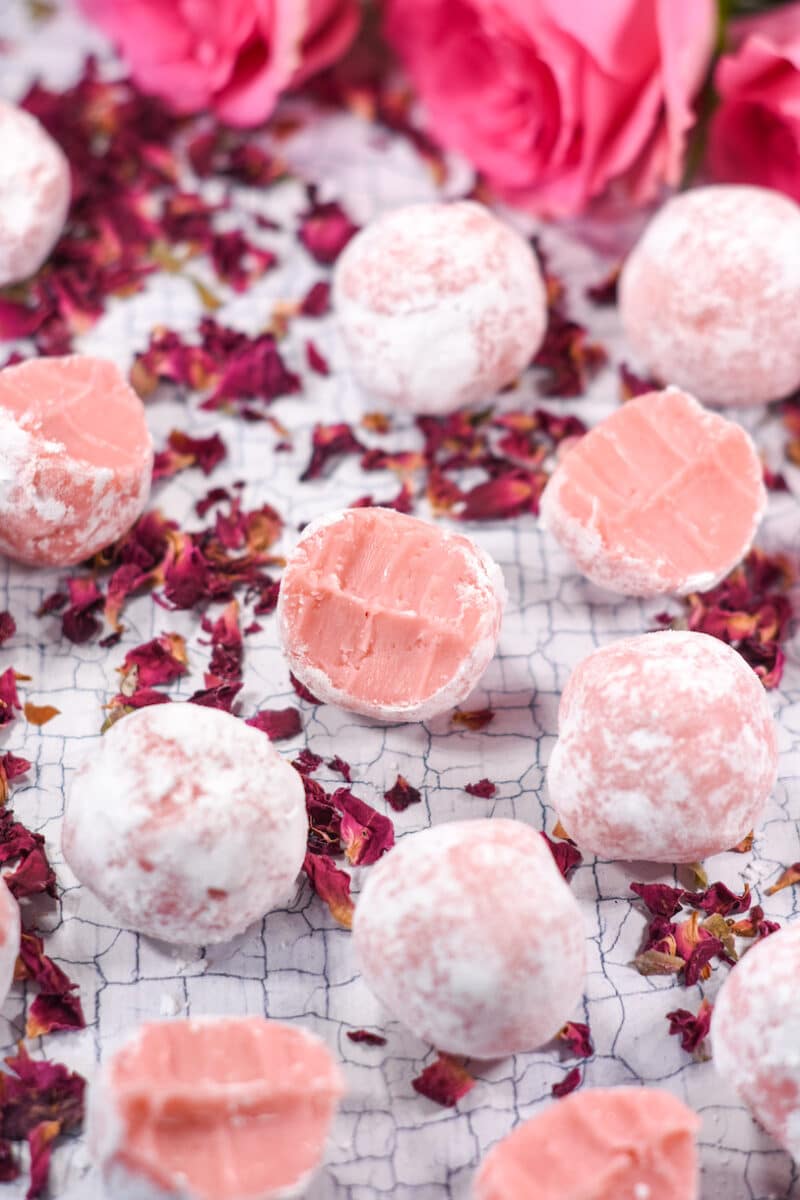
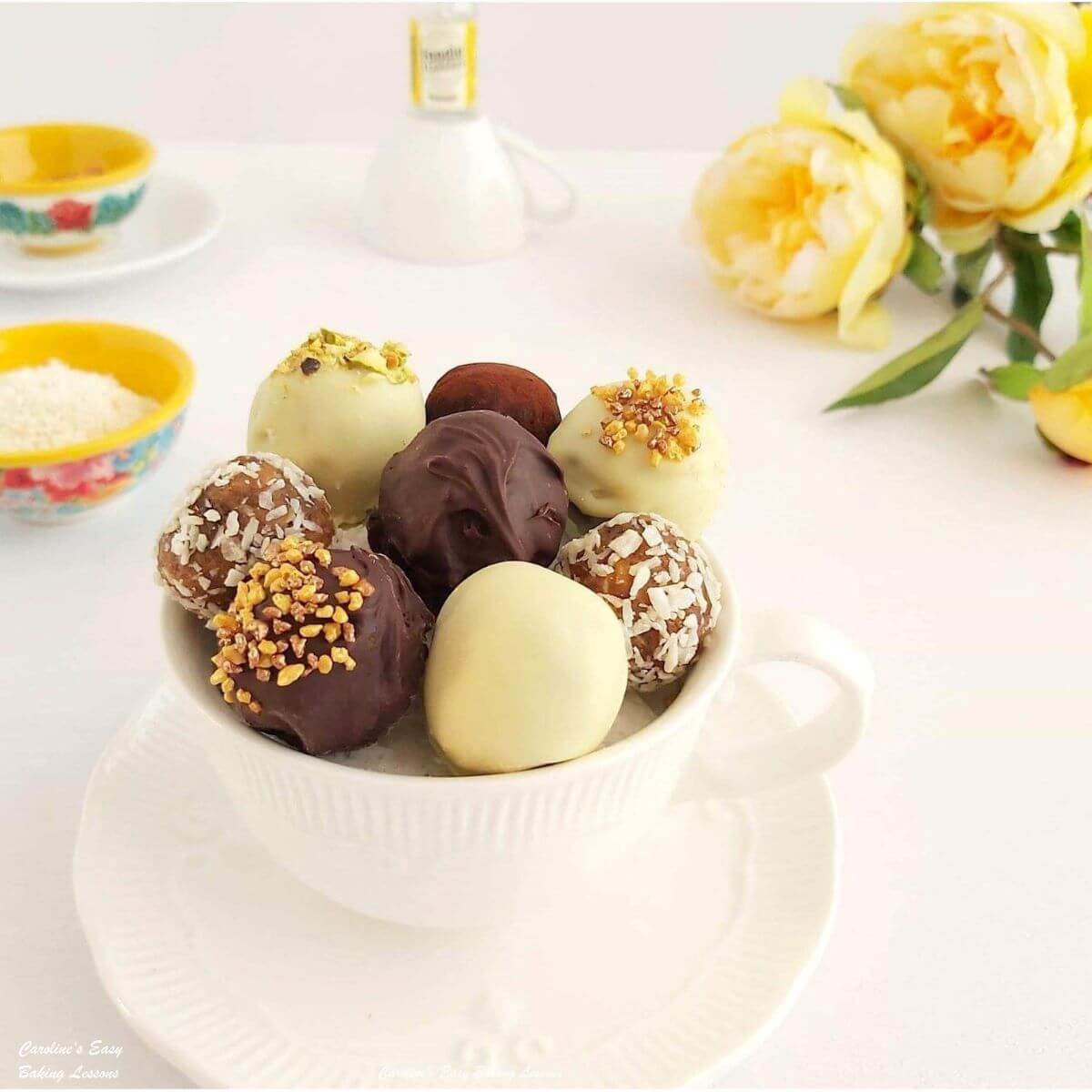
Now for the sweet part. Here are my favorite homemade truffles, pralines, and filled chocolates to make for National Pralines Day, Christmas boxes, edible gifts, dinner parties, or those quiet little moments when only chocolate will do.



More Praline and Truffle Recipes from Fellow Bloggers
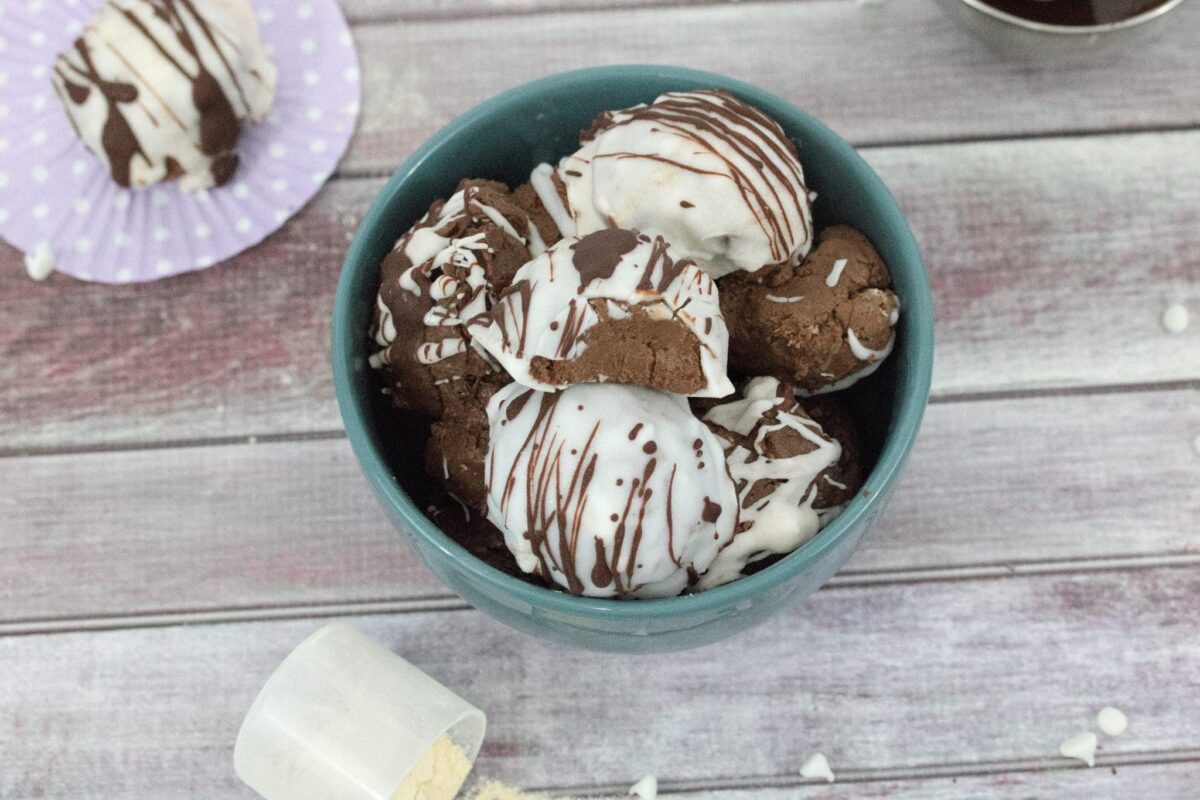
Here are even more homemade pralines, truffles, and chocolate treats from talented food bloggers. Whether you are looking for something nutty, creamy, boozy, fruity, or deeply chocolatey, this is the perfect place to find your next little bite of sweetness.
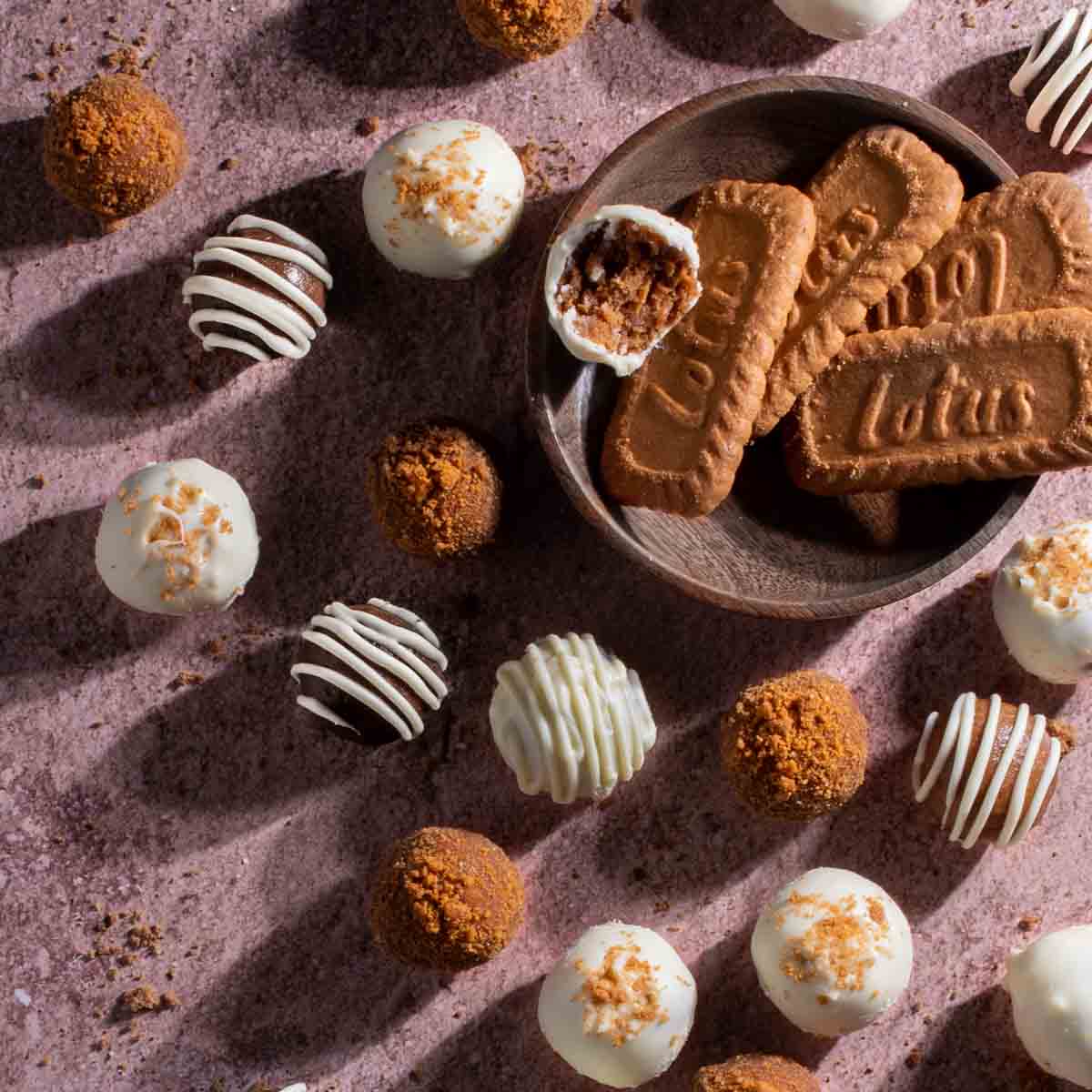
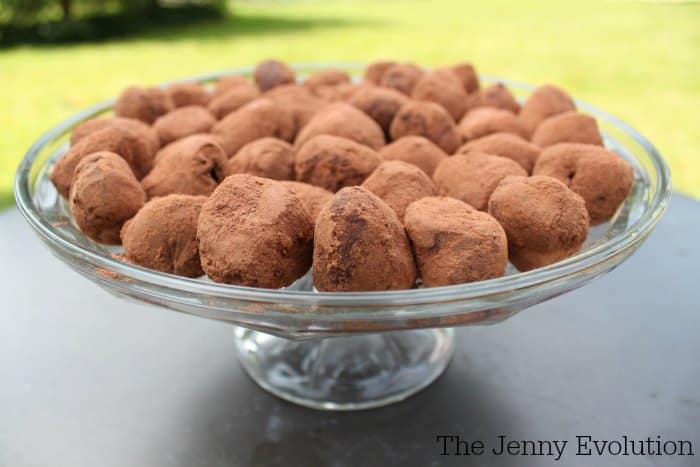
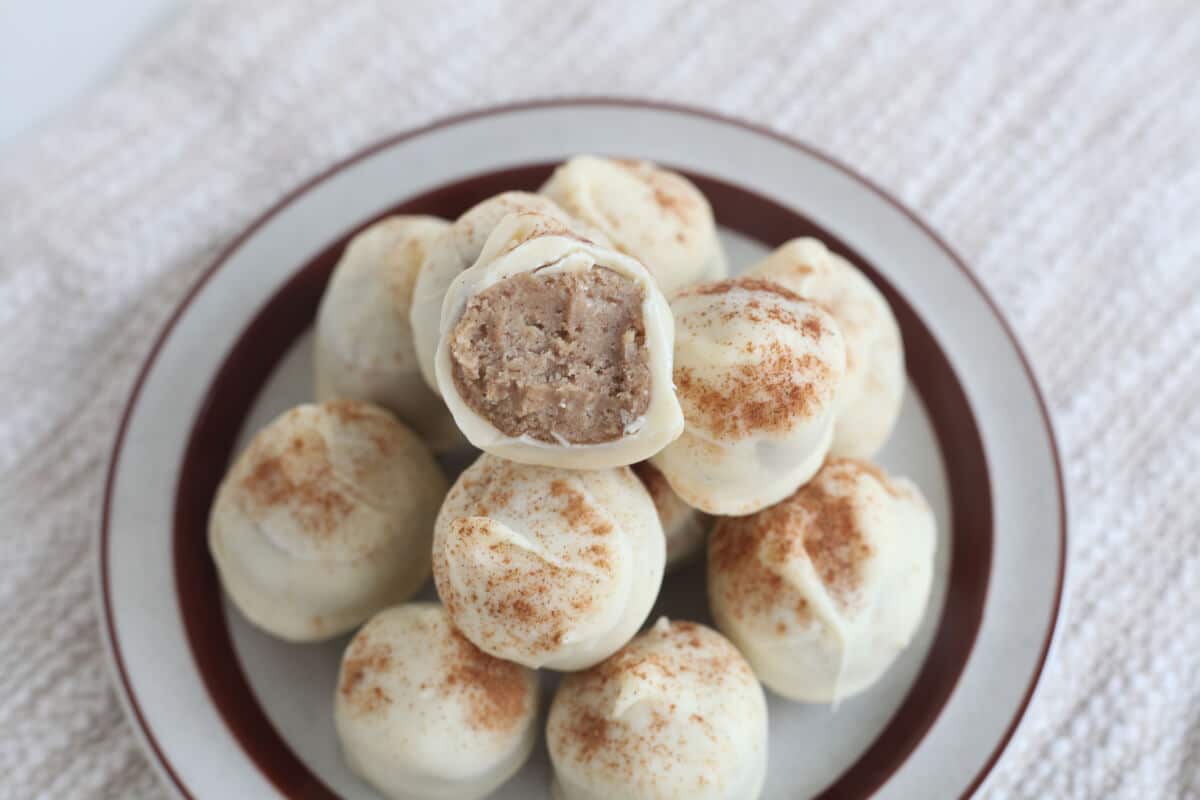
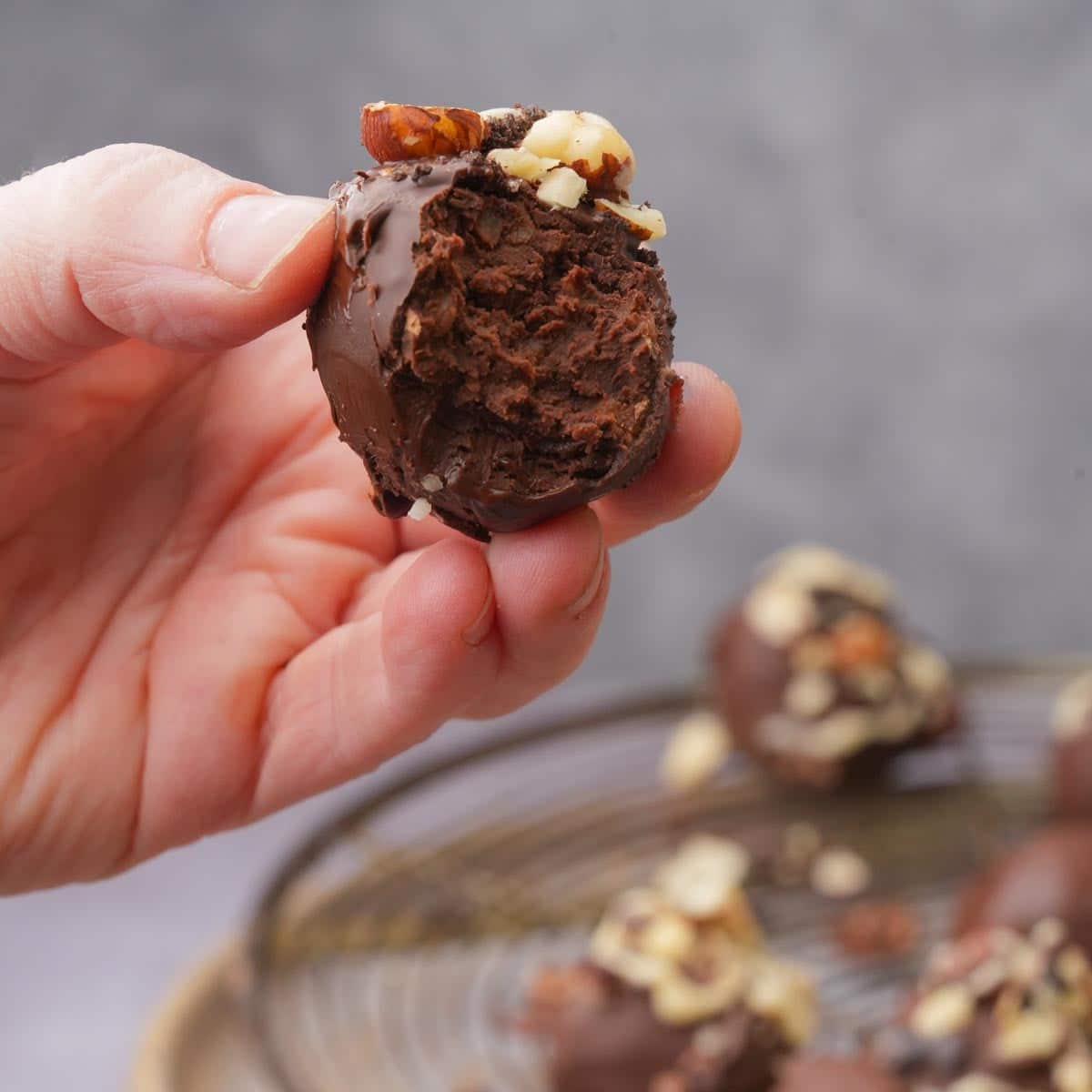

Essential Chocolate Making Tools
If you want to make pralines, truffles, and filled chocolates at home, the right tools make a big difference.
You do not need a professional chocolate kitchen, but a few helpful items can make the process much smoother:
- A digital kitchen scale
- A chocolate thermometer
- A water bath setup or tempering unit
- Piping bags
- Chocolate paper cups
- Disposable gloves
- A small offset spatula
- Squeeze bottles for sealing hollow spheres
- Fine-mesh sieve for cocoa, powdered sugar, or matcha coatings
- Airtight containers for storage
For a deeper look at what I personally recommend, visit my full guide to essential chocolate making tools.
FAQ’s
When is National Pralines Day?
National Pralines Day is celebrated every year on June 24.
Are truffles and pralines the same thing?
Not exactly. Truffles are usually made with ganache and often rolled by hand. Pralines can mean different things depending on the country. In Europe, pralines often refer to filled chocolates, while in the United States, pralines are often nut-based candies.
Do I have to temper chocolate for truffles?
It depends on the recipe. If you are rolling truffles in cocoa powder, coconut, or powdered sugar, you may not always need a perfectly tempered outer shell. But if you are coating, sealing, or molding chocolates, tempering gives you a shinier, firmer, more professional finish.
Why did my chocolate turn gray?
Chocolate can turn gray or streaky when it is not tempered properly or when it has been exposed to temperature changes. This is called bloom. It is usually safe to eat, but it does not look as pretty.
Why add glucose to ganache?
Glucose can help create a smoother, more stable ganache. It can also help with texture and consistency, especially in filled pralines and truffles.
How should I store homemade pralines?
Store homemade pralines in an airtight container in a cool, dry place. If your home is too warm, you can refrigerate them, but protect them well from moisture and condensation.
Final Thoughts
National Pralines Day is such a sweet excuse to slow down and enjoy the tiny magic of homemade chocolate.
Whether you make rustic hand-rolled truffles, elegant filled chocolates, boozy holiday bites, or creamy caramel centers, praline-making is one of those kitchen skills that feels fancy but also deeply personal. Every little piece carries your time, your care, and a bit of chocolate-covered joy.
So pick one recipe, melt the good chocolate, and give yourself permission to enjoy the process. Even if your first pralines look a little rustic, they will still be delicious. And honestly, that handmade charm is part of the magic.